The Ultimate Business Waste Removal in Ascot: Paving the Way for a Sustainable Future
Why Business Waste Removal in Ascot is Essential

Business waste removal in Ascot has evolved from a mere necessity into a cornerstone of sustainable operations for companies of all sizes. In today's fast-paced business environment, proper waste management not only defines corporate responsibility but also enhances efficiency, reduces overhead costs, and protects the environment.
With increasing government regulations and public awareness about environmental conservation, ascending businesses now require robust waste disposal strategies that meet legal mandates and support community health. Companies in Ascot have recognized the competitive advantage that comes with environmentally friendly practices.
In this article, we explore the significance of streamlined waste removal processes, discuss the latest trends in waste management, and provide actionable strategies for firms to optimize their waste disposal systems. Business waste removal services in Ascot are more than just service providers; they act as partners in paving the way toward a cleaner and more sustainable community.
Challenges Faced by Businesses in Managing Waste

Businesses operating in Ascot often face several unique challenges when dealing with waste. From the diverse types of waste generated to the logistics of collection and disposal, challenges such as seasonal waste fluctuations and specialized waste types like hazardous materials require careful planning and stringent processes.
Common challenges include managing recyclables, integrating proper storage solutions, and ensuring that disposal practices are compliant with environmental regulations. Additionally, businesses must frequently update their processes to stay aligned with new legal standards and market trends.
Moreover, the evolution of waste processing technology demands that companies not only recycle and dispose responsibly but also harness the potential to transform waste into usable resources, thereby creating a circular economy.
How Effective Waste Management Contributes to Operational Success
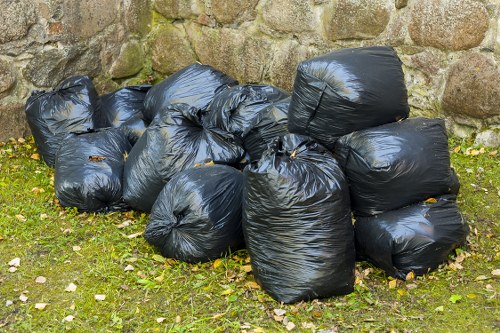
Effective waste management is a critical component for operational success in Ascot. When businesses implement innovative strategies that focus on reducing, reusing, and recycling waste, they can lower disposal costs and improve operational efficiencies.
Proper line management of waste contributes to a stress-free work environment where employees can focus on core functions without distractions caused by clutter and inefficient processes. The spillover benefits include a healthier, safer, and more engaging workspace.
Furthermore, streamlined waste removal in Ascot reflects positively on a company’s image. Stakeholders and clients are often keen to collaborate with businesses that highlight their commitment to environmental sustainability and ethical operations.
Understanding Business Waste: Types and Regulations
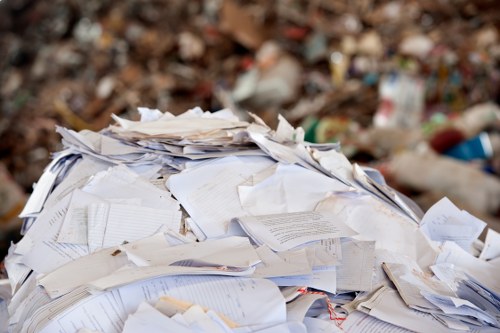
Business waste comprises a variety of materials ranging from office paper and cardboard to specialized waste like chemical and electronic by-products. It is imperative for companies in Ascot to identify the nature of the waste they generate. Classification can include general waste, recyclables, hazardous materials, and organic waste streams.
The very nature of each waste category requires unique handling techniques. Recognizing whether waste is recyclable, compostable, or requires hazardous material treatment can significantly impact how businesses allocate resources and streamline removal operations.
The government and local authorities have also enforced strict guidelines and regulations to ensure that business waste is disposed of efficiently. Ensuring that your waste removal partner stays compliant with local and national standards is mandatory for avoiding penalties and protecting the reputation of your business.
Sustainable Tools and Techniques for Waste Management
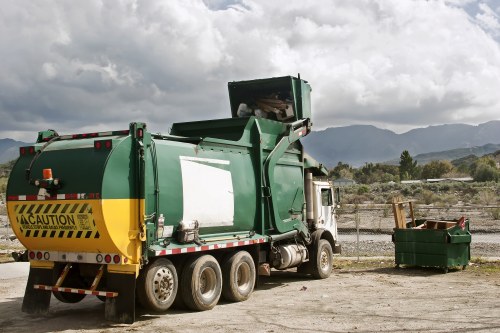
Adopting green technology is not just a trend but a necessity. Businesses in Ascot are increasingly opting for advanced waste management tools that enable the tracking, sorting, and safe disposal of waste. Tools like automated waste sorting machines, tracking software, and eco-friendly collection vehicles form the core of a modern waste management system.
The integration of smart waste management systems that utilize IoT (Internet of Things) solutions can help monitor waste levels, schedule timely collections, and even predict waste volume trends. This not only enhances efficiency but also reduces the environmental footprint of waste management operations.
Moreover, many local service providers offer valuable insights and partnerships to help businesses transition to a zero-waste policy. By leveraging such innovative solutions, companies can significantly reduce their overall waste and control disposal costs.
The Environmental and Economic Impact of Business Waste Removal
The dual impact of efficient waste removal is far-reaching, affecting both environmental stability and economic viability. Through innovative waste disposal methods, businesses can contribute to decreased landfill use, reduced greenhouse gas emissions, and improved recycling rates. This, in turn, supports global sustainability efforts.
Economic factors also play a crucial role in the decision-making process for waste management. Cost-effective waste removal strategies can help reduce overhead expenses and operational time. In many cases, these methods free up resources which can then be reinvested into other parts of a business, promoting overall growth.
Investing in advanced waste removal infrastructure can lead to long-term savings. Operational efficiency, minimized legal risks, and enhanced corporate reputation can all translate into tangible economic benefits, making business waste removal an integral part of a company’s strategy.
How to Choose the Right Waste Removal Service in Ascot
Selecting the ideal waste removal service is crucial for ensuring that your business not only stays compliant with regulations but also embraces a truly sustainable approach. There are several factors to consider:
- Reputation and Experience: Opt for service providers with a proven track record in business waste removal in Ascot.
- Comprehensive Services: Ensure the provider offers a range of solutions from recycling management to hazardous material disposal.
- Compliance and Certifications: Verify that the provider adheres to local and national environmental regulations.
- Innovative Techniques: Embrace companies that offer state-of-the-art technology and data-driven waste management systems.
These factors, when considered carefully, go a long way in determining how effectively a business can manage its waste and contribute to a sustainable future.
Steps to a Greener Office: Implementing Waste Reduction Strategies
Transitioning to a greener office begins with a thorough audit of your current waste practices. This process allows businesses to pinpoint inefficiencies and areas for improvement. Here are the key steps recommended for adopters:
- Conduct a Waste Audit: Identify the various types of waste generated, their volumes, and disposal frequencies.
- Set Clear Objectives: Define measurable targets for waste reduction and recycling improvements.
- Engage Employees: Educate and involve staff in the new waste management protocols.
- Partner with Experts: Utilize waste removal professionals who offer tailored solutions for business waste in Ascot.
By following these structured steps, companies can establish a more effective, environmentally friendly waste management system geared towards long-term success.
Integrating Technology for Seamless Operations
Leveraging modern technology is a pivotal element in the enhancement of waste management. Digital tracking systems, automated waste collection scheduling, and real-time analytics are just a few examples of how technology has reshaped the industry. These innovations not only reduce manual errors but also create a transparent waste management process.
The use of cloud-based platforms helps in monitoring waste disposal patterns, thereby enabling businesses to make data-driven decisions. With detailed analytics, companies can adjust their strategies and improve their environmental impact.
This integration is particularly beneficial for large organizations that generate significant volumes of waste. It ensures that all waste is accounted for and processed using the most efficient and compliant methods available, leading to smoother operations and cost savings.
Implementing Circular Economy Principles in Business Waste Removal
The concept of a circular economy is gaining traction in the realm of business waste removal in Ascot. This approach emphasizes reducing waste, reusing materials, and recycling resources to create a continuous loop of resource efficiency. For companies, this means a shift from a linear model of waste disposal to a more sustainable, regenerative model.
Businesses adopting circular economy principles often see drastic reductions in waste management expenses. By reusing materials, companies not only limit the need for new raw materials but also reduce the environmental burden associated with waste disposal.
Moreover, a circular approach necessitates a thorough understanding of the supply chain and the lifecycle of products. This comprehensive view allows businesses to identify opportunities where waste can be minimized or repurposed, enhancing overall sustainability.
Economic Benefits: Saving Costs and Boosting Efficiency
Efficient waste management directly correlates with financial gains for businesses. Reduced waste disposal costs, lower penalties from environmental non-compliance, and increased operational efficiency all contribute to a more profitable business model. The advantages extend beyond mere cost savings to include benefits such as enhanced market reputation and customer loyalty.
Implementing robust business waste removal strategies in Ascot saves companies not only money but also time, allowing executives to focus on revenue-generating activities. These economic benefits are a compelling reason for businesses to invest in smart waste removal solutions.
Furthermore, by partnering with experienced waste removal services, companies can streamline their waste management processes. Such partnerships offer expertise in operational efficiency and foster innovation that results in higher profit margins and a sustainable operational future.
Best Practices for Maintaining a Clean Business Environment
Maintaining a clean business environment is integral to both employee productivity and external brand perception. Here are some best practices that businesses in Ascot are successfully implementing:
- Regular Waste Collection: Schedule frequent pickups to avoid accumulation.
- Employee Training: Educate staff on proper waste disposal and recycling practices.
- Segregation at Source: Encourage the separation of waste into recyclables, organic, and general waste.
- Utilize Tech Solutions: Invest in smart bins and monitoring systems.
This structured approach not only ensures the cleanliness of the business premises but also bolsters the company’s commitment to sustainability. Adopting these practices can create a ripple effect, motivating neighboring businesses to follow suit.
Future Trends in Business Waste Management in Ascot
The future of business waste removal in Ascot is poised for exciting changes as new technologies and sustainable practices continue to evolve. With the advent of blockchain for tracking waste, AI-driven analytics, and comprehensive waste-to-energy solutions, the industry is experiencing rapid transformations. Businesses are increasingly focusing on not just waste removal, but also waste conversion and repurposing.
Innovations such as advanced recycling processes and energy recovery systems promise a future where even non-recyclable waste can be transformed into valuable resources. These advancements not only bolster economic efficiency but also further the commitment to environmental stewardship.
Early adopters of such trends will not only benefit from cost savings and operational efficiency but will also set benchmarks in corporate sustainability. Staying ahead of the curve in waste technology is an investment in the long-term resilience and competitiveness of any company operating in today's market.
Integrating Community Engagement and Sustainability Initiatives
Businesses in Ascot are increasingly recognizing the importance of engaging with local communities to promote environmental sustainability. By partnering with local governments, non-profits, and environmental groups, companies can create initiatives that extend their waste management influence to the community level.
Corporate social responsibility (CSR) initiatives, such as community recycling drives, environmental workshops, and local clean-up days, help in building a positive public image and foster deeper community bonds. This collaboration not only encourages responsible waste disposal but also inspires the community to adopt similar sustainable practices.
Community engagement serves as a powerful reminder that smart business waste removal is not an isolated effort but part of a larger system of sustainable practices. Companies that actively participate in these initiatives demonstrate true leadership in promoting a greener, cleaner future for everyone.
Steps Forward: A Call to Action for Business Leaders
Today’s business landscape calls for urgent and innovative measures to deal with waste. Business leaders in Ascot are encouraged to evaluate their current waste management practices and explore partnerships with reputable waste removal experts. Contact us today to learn how you can implement effective waste management solutions tailored to your needs.
Moving towards a sustainable and efficient waste removal system involves assessing current processes, identifying gaps, and embracing rapid technological advancements. Business waste removal in Ascot is at a crossroads where tradition meets innovation, and companies that take decisive actions now will benefit extensively in the coming years.
It is not just about managing waste—it’s about creating an environment where sustainability and profitability go hand in hand. Book your service now and join the growing number of businesses that are setting new benchmarks in waste management.
Conclusion: The Path to a Cleaner and More Profitable Business
The journey of business waste removal in Ascot is continuously evolving. By incorporating advanced technology, sustainability practices, and community involvement, companies are setting the pace for a cleaner, greener future. Each step towards effective waste management is a step towards enhanced operational success and long-term economic benefits.
Adopting comprehensive waste removal strategies not only meets the pressing demands of regulatory authorities but also reflects a company’s commitment to environmental stewardship. The strategic integration of innovative waste management tools has become indispensable in today’s competitive business environment.
Embrace the future by taking confident strides towards sustainability. Remember, the measures you implement today will define your company's legacy tomorrow. Let’s work together to build a cleaner, more profitable, and sustainable future in Ascot.
