Complaints Procedure for Commercial Waste Ascot
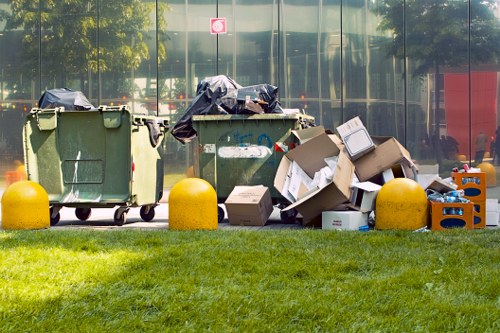 This Complaints Procedure sets out how Commercial Waste Ascot and allied rubbish and waste collection providers handle complaints from businesses and organisations. The purpose is to provide a clear, transparent and timely process for resolving concerns about commercial waste services, including bin collections, skip hire, recycling and other waste management matters. It applies to all business customers and partners receiving commercial refuse and business waste collection within our operational service area.
We are committed to fair treatment and to consistent recordkeeping. Complaints will be dealt with impartially and confidentially where possible. This policy outlines who may raise a complaint, what constitutes a complaint against a commercial waste company, how complaints are recorded and the timescales for responses. It is designed to be accessible and proportionate.
 Scope: This procedure covers complaints about service failures such as missed commercial bin collections, incorrect charges for waste removal, damage to property during rubbish collection, unsafe practices, or failures in recycling and hazardous waste handling. Complaints about statutory compliance or criminal matters will be escalated appropriately but are still tracked through this procedure for customer resolution.
How to Make a Complaint
Anyone that receives commercial waste services may raise a complaint. A clear statement of the issue, the date and time of the incident, relevant account or service reference and any supporting evidence will expedite handling. Complaints can be raised in writing or by any formal channel established by the waste operator. Complainants should supply sufficient detail to allow an investigation.
 Acknowledgement and Initial Assessment: All complaints are acknowledged promptly and recorded in a complaints register. The initial assessment determines whether the complaint needs immediate action (for example if it presents a safety risk) and identifies the appropriate team to investigate. An initial acknowledgement will normally include an outline of the expected timescale for a substantive response.
Investigation and Resolution: Investigations will be proportionate to the nature and severity of the complaint. The investigator will gather facts, review service logs, interview staff where necessary and consider any photographic or documentary evidence. Where appropriate the operator may offer a remedy such as service re-performance, a refund, a credit, or corrective operational changes. Remedies are applied based on findings and commercial waste policy.
Timescales and Escalation
We aim to resolve most straightforward complaints within 10 business days. More complex matters, especially those involving cross-departmental inquiries or external regulators, may take longer; in such cases the complainant will be kept informed of progress and expected resolution dates. Where immediate action is required for health or safety, that action will take priority.
 Escalation: If a complainant is dissatisfied with the proposed resolution or the progress being made, an escalation process is available. Escalation triggers a review by a senior manager within the waste management or operations function. The escalation review will re-examine the facts, the suitability of the remedy and whether procedural errors occurred. The outcome of the escalation review will be communicated clearly and will include the reasons for the decision.
 Recordkeeping and Learning: All complaints and outcomes are recorded and retained in accordance with record retention policies. Aggregated complaint data is reviewed periodically to identify trends and to drive service improvements across commercial waste services, including rubbish collection, recycling rates and customer liaison. Lessons learned may result in staff training, changes to procedures, or operational adjustments.
Confidentiality and Data Protection: Complainants' personal or business information will be treated in line with applicable data protection standards. Details of a complaint will only be shared with staff who need them to investigate and resolve the matter. Records will be retained to support accountability and continuous improvement.
Independent Review: Where a complainant remains dissatisfied after internal escalation, they may have the right to seek an independent review by an appropriate external body with jurisdiction over commercial waste or environmental services. This procedure will explain when such a step is available and the circumstances in which an external review is appropriate.
Monitoring and Review of the Procedure: This complaints procedure is reviewed periodically to ensure it remains effective and lawful. The review looks at response times, complaint outcomes, communications quality, and whether remedies are fair and consistent. Continuous improvement is a priority so that commercial refuse and business waste customers receive reliable service and prompt redress when standards fall short.
Summary of Complaint Stages:
- Receipt and acknowledgement
- Initial assessment and risk prioritisation
- Investigation and proposed resolution
- Escalation to senior review if required
- Recordkeeping and policy review
This procedure applies to all commercial waste service contracts and interactions and is intended to ensure fairness, transparency and timely resolution. For further clarification about how complaints are processed or how outcomes are determined, please refer to the internal policy documents that govern service standards for commercial waste services and rubbish collection operations. These policies support reliable waste management across the service area.
